
Table of Contents
Carpet for Bedrooms Overview
There's a reason it’s the one room in the house where almost everyone agrees that carpet reigns supreme. It's the first thing your feet touch in the morning and the last thing it feels before climbing into bed. At JP Flooring, we feature a vast number of styles perfect for adding comfort to your home space. These means floors that fit how you live and bedrooms that prioritize your personal style and needs.
This guide walks through what actually matters when you're shopping for a bedroom carpet. An easy guide to reference when deciding on pile type to color.
Why Bedrooms Deserve Better Carpet Than Other Rooms
Every room in your home asks something different when it comes to flooring. Your entryway needs to survive muddy boots. Your kitchen needs to shrug off spills. But your bedroom requires something simpler: it needs to feel cozy.
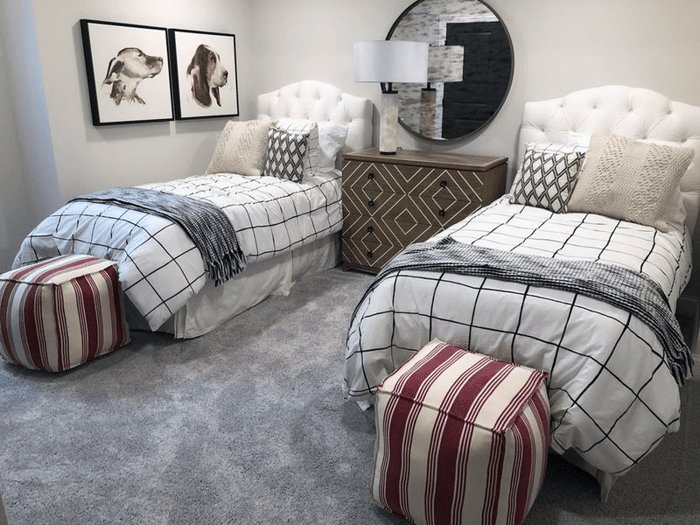
Carpet for bedrooms typically see far less foot traffic than living rooms, hallways, or kitchens. Which means you don't have to make the same durability trade-offs you would elsewhere in the house. More importantly, you can lean into comfort. A bedroom is where bare feet hit the floor first thing in the morning, where kids curl up to read, where you might sit on the ground to fold laundry or stretch before bed. Carpet for bedrooms is part of the room's function—not just its backdrop.
In addition, carpet absorbs sound in a way that hard flooring simply can't, which matters in a room where the whole point is for sleep. It also adds a layer of warmth underfoot, especially valuable during Midwest winters when hardwood or tile can feel like ice. Add in the acoustic cushioning, the reduced echo, and the softer landing for stubbed toes stumbling into the room after a bottle of wine, and it becomes clear why so many homeowners choose carpet.
Pile Types for Bedrooms
Carpet pile refers to how the fibers are constructed and finished. This has a huge effect on how it looks, feels, and wears over time. For bedrooms, the following are the three main pile types.
P L U S H

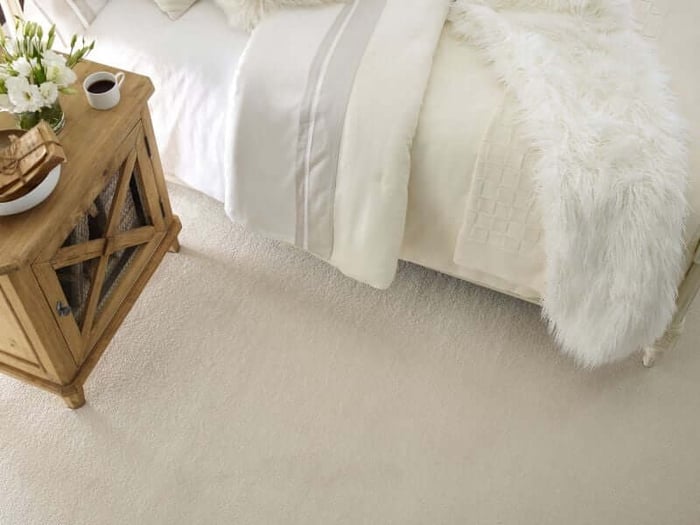
It’s the closest thing to what most people picture when they imagine a luxurious carpet for bedrooms. The fibers are cut fairly short and packed tightly together. This in turn gives the surface a smooth, velvety look that’s soft. Plush is a popular choice for bedrooms and formal spaces since it’s visually beautiful and feels wonderful when you're barefoot.

The trade-off is that plush shows footprints and vacuum lines more than other styles. Since the fibers shift direction depending on how they are brushed. That's a fair trade in a low-traffic bedroom where a little shading adds texture and coziness rather than looking messy.
S A X O N Y

Closely related to plush but with slightly longer, twisted fibers that stand upright. It has a refined, almost hotel-like look and a soft, dense feel. Saxony is often described as the classic choice for a primary bedroom because it strikes a balance between formal elegance and everyday comfort.

Like plush, it will show footprints and can develop matting in areas that see repeated pressure, such as under a bed frame or in front of a dresser, so it rewards a bit of regular care.
F R I E Z E
 These fibers take a different approach. Instead of straight fibers, frieze uses highly twisted yarn that curls in different directions. That twist does more than change the aesthetic. It also hides footprints, vacuum marks, and daily wear far better than plush or Saxony.
 Often could feel less soft underfoot. Depending on the design, the curled texture doesn’t give a sleek uniform cut which makes its appearance less formal or elegant looking. This may not suit formal rooms.
Softness vs Durability: Finding the Right Balance
Fiber choice is where softness and durability really get negotiated, and it helps to understand what you're actually paying for when it comes to carpet for bedrooms. 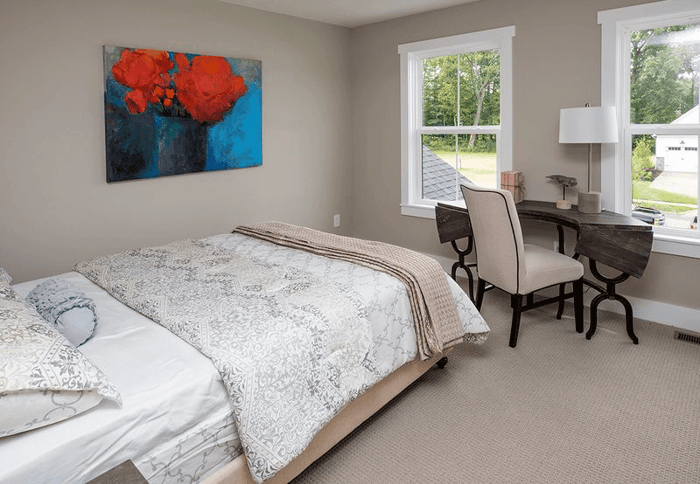
Nylon is the industry's long-standing workhorse. It holds up to years of use, resists crushing and matting, and takes stain treatments well, which is why it shows up so often in higher-traffic parts of the home. Of the synthetic fibers, nylon is generally considered the softest and most resilient, so it's not a bad choice for a bedroom either, especially if you want one carpet that can comfortably serve double duty in an office or playroom down the line.
Polyester, sometimes labeled PET, is known for a plush, soft hand feel and a wide range of vivid colors, often at a lower price point than nylon. It also resists staining naturally. The catch is that polyester doesn't bounce back from crushing quite as well, so it tends to flatten faster under heavy and repeated traffic. In a bedroom, where furniture stays put and foot traffic is lighter, that weakness matters much less. This is exactly why polyester carpet is frequently recommended for bedrooms and other lower-traffic rooms.
Triexta, which Mohawk markets under the name SmartStrand, is a newer fiber built to compete with nylon on durability while offering a softer feel. It also has excellent built-in stain resistance. It's partly derived from plant-based materials rather than being sourced entirely from petroleum, which some homeowners appreciate. It tends to cost more than polyester but often less than premium nylon, landing as a strong middle-ground option if you want comfort and long-term performance in the same carpet.
Wool is prized for its softness, richness underfoot, and impressive lifespan when properly cared for. Wool fibers contain natural oils that offer some inherent soil resistance, and the material tends to age gracefully. It's usually the most expensive fiber on the list, which is part of why it's often reserved for primary bedrooms and formal spaces where the investment makes the most sense.
Things to Consider: What to Avoid When it Comes to Carpet for Bedrooms
Skipping the padding upgrade. The pad underneath your carpet does as much work as the carpet itself when it comes to comfort, insulation, and longevity. A thin, builder-grade pad under a beautiful plush carpet will undercut the whole point of choosing something soft.
Ignoring VOCs if anyone in the home has allergies or asthma. New carpet, adhesive, and padding can off-gas volatile organic compounds for a period after installation. If indoor air quality is a concern, look for products carrying a CRI Green Label Plus certification, which signals the carpet has been tested and meets recognized standards for low emissions.
Choosing a very deep, loose pile when allergies is a concern. Long, open fibers, like a heavy shag or an extremely thick frieze, give dust, pet dander, and pollen more places to hide and make regular vacuuming less effective. A denser, more tightly constructed pile is easier to keep genuinely clean, even if it's not the softest option on the showroom floor.
Going too trendy with color. A bold, statement-making carpet color can feel exciting in the showroom and start to feel like a mistake within a couple of years. Since bedroom carpet isn't something most people replace often, it's worth asking whether you'll still love the shade five years from now, not just this season.
JP Flooring Recommendations
Whether you're prioritizing softness, durability, color, or all three, JP Flooring carries a wide range of bedroom-ready carpet from trusted names in the industry. Our design consultants can help you narrow the field quickly.
Budget-Friendly Comfort: If you're outfitting a guest room, a rental property, or a growing kid's room and want soft yet attractive carpets without a premium price tag, look toward polyester and entry-level nylon options. These can be found from brands like Shaw Industries and Dream Weaver from Engineered Floors. These collections offer plenty of on-trend colorways and a soft feel that's well suited to lower-traffic bedrooms.
Mid-Range Balance: For a primary bedroom that needs to look elevated and hold up to years of daily use, triexta and mid-tier nylon options from Shaw, Mohawk, and Anderson Tuftex hit a strong balance of softness and stain resistance that’s easy on the price tag. This is often the sweet spot for homeowners who want a long-term floor without stepping all the way up to premium wool.
Premium Investment: If you're building a true retreat and comfort is non-negotiable, JP Flooring carries premium Saxony and plush styles, along with genuine wool carpet from Karastan, that are guaranteed to deliver the softest and most luxurious feel underfoot available in wall-to-wall carpet. Other options include Fabrica, which features a stunning display of carpet selections. These are the collections worth choosing if you plan to stay in your home for years and want your bedroom floor to feel like a daily indulgence.
Schedule An Appointment
At JP Flooring, full carpet collections are available with in-home samples and a visualizer tool that lets you see the collections in your own space before purchasing. Every palette is considered, and every aesthetic is featured. 
Sign Up Now The right flooring decision goes far beyond features or stylish flooring. Schedule a private design consultation with our expert consultants for personalized guidance on carpet for bedrooms, material composition, stain resistance, durability classifications, waterproof performance, and more. This ensures every selection is a precise match for your home and lifestyle.
FAQs
What's the best carpet for bedrooms in terms of fabric?
Nylon and wool are the top picks. Nylon resists crushing and wear, while wool offers unmatched softness and natural warmth underfoot — both are great choices for a cozy, low-traffic room.
Should I choose a high pile or low pile carpet for a bedroom?
High pile (like plush or saxony) is ideal for bedrooms. Since bedrooms see less foot traffic than living areas, a taller, denser pile stays comfortable and luxurious without wearing down quickly.
Is plush or frieze carpet better for a bedroom?
Plush carpet is generally better for bedrooms. Its smooth, dense pile feels soft against bare feet, while frieze's twisted fibers suit busier areas where texture helps hide footprints and wear.
Does carpet fiber affect comfort and warmth in a bedroom?
Yes. Wool fibers naturally insulate and feel warm, while synthetic fibers like nylon or polyester can feel cooler but are easier to maintain — a key trade-off when choosing bedroom comfort versus upkeep.