Table of Contents
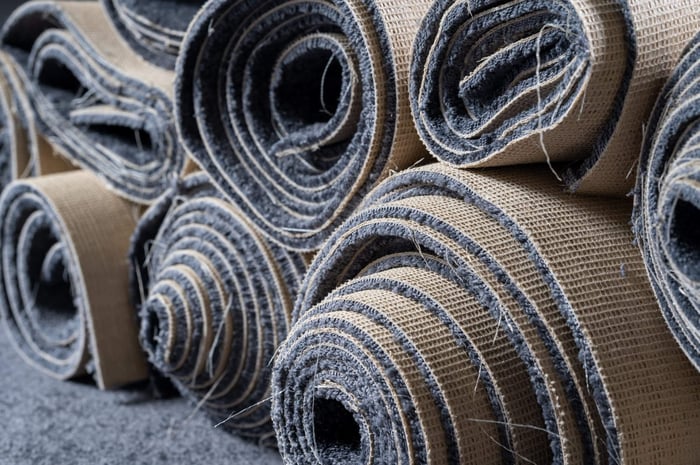
Removing old carpet is often the first step in a flooring renovation project in your Greater Cincinnati or Northern Kentucky home. However, once that carpet is pulled up, the question becomes: how to cut carpet for disposal efficiently and safely? Large rolls of old carpet can be bulky and difficult for trash collection services to handle.
Properly cutting it down into manageable pieces is crucial for easy carpet disposal. JP Flooring in West Chester, OH, your trusted provider for all your flooring needs, offers this practical guide on how to cut carpet for disposal and how to cut up carpet for disposal safely and effectively.
Why Cutting Carpet for Disposal is Important
Before we delve into the "how-to," let's understand why taking the time to cut your old carpet is a necessary step for responsible carpet disposal.
Waste Management Regulations
Many municipal waste management services in the Greater Cincinnati area have regulations regarding the size and weight of items they will collect. Large, uncut rolls of carpet often exceed these limits and may be left at the curb.
Ease of Handling for Waste Collection
Smaller, manageable pieces of carpet are easier for waste collection personnel to lift and load into their trucks, preventing potential injuries and ensuring efficient service.
Efficient Use of Landfill Space
Cutting carpet into smaller sections allows it to be compacted more effectively in landfills, optimizing the use of valuable space.
Convenience for DIY Disposal
If you plan to transport the carpet to a disposal facility yourself, smaller pieces will fit more easily into your vehicle, making the process much more convenient.
Essential Tools for Cutting Carpet
To safely and effectively cut carpet for disposal, you'll need the right tools.
Utility Knife with Sharp Blades
A standard utility knife with a sharp, retractable blade is the primary tool for cutting carpet. Ensure you have plenty of new, sharp blades on hand, as carpet can quickly dull them. Dull blades require more force and increase the risk of slipping and injury.
Carpet Knife (Optional but Recommended)
A dedicated carpet knife has a specialized curved blade designed to cut through thick carpet and backing more easily. If you frequently work with carpet, this can be a worthwhile investment.
Heavy-Duty Gloves
Wearing thick, heavy-duty work gloves will protect your hands from the sharp blades and rough carpet backing.
Safety Glasses
Protect your eyes from any loose fibers or debris that might fly up while cutting.
Measuring Tape (Optional)
If you need to cut the carpet into specific sizes to meet disposal regulations, a measuring tape will be helpful.
Straight Edge (Optional but Recommended)
A sturdy metal or wooden straight edge (like a level or a yardstick) can help you make straight, clean cuts, especially for longer sections.
Step-by-Step Guide: How to Cut Carpet for Disposal
Follow these steps for how to cut up carpet for disposal safely and efficiently:
1. Clear the Area
Ensure you have a clear, open area to work in. Lay the old carpet out flat on a clean surface, such as a garage floor, driveway, or even a protected section of your lawn. Remove any remaining tacks, staples, or debris from the carpet.
2. Plan Your Cuts
Consider the size and weight limitations for waste disposal in your area. It's generally a good idea to cut the carpet into sections that are no larger than 4 feet by 4 feet and not excessively heavy (around 30-40 pounds per piece is a reasonable guideline). Plan your cuts accordingly, taking into account any natural folds or seams in the carpet.
3. Flip the Carpet Over (Optional but Easier)
Cutting from the backing side is often easier as it provides a more stable and less fuzzy surface for your knife. Flip the carpet over so the backing is facing up.
4. Make the First Cut
Using your sharp utility knife or carpet knife, start your first cut along a planned line. Apply firm, even pressure. You may need to make several passes with the knife to cut through the thick carpet and backing. If using a straight edge, position it along your desired cut line and run the knife firmly against it.
5. Use a Rocking Motion
A slight rocking motion with your knife as you apply pressure can help the blade cut through the fibers more effectively.
6. Change Blades Frequently
As mentioned earlier, carpet dulls blades quickly. Don't hesitate to switch to a new, sharp blade whenever you feel the knife dragging or requiring excessive force. A sharp blade is safer and will make the job much easier.
7. Work in Sections
Cut the carpet down into manageable sections, following your planned cuts. If the carpet is very thick, you might need to lift the edge slightly to see where your previous cut ended and continue.
8. Roll or Fold the Cut Pieces
Once you have your smaller pieces, you can either tightly roll them up and secure them with tape or twine, or neatly fold them into manageable bundles. This will make them easier to handle and will take up less space in your trash bin or vehicle.
9. Dispose of Properly
Check with your local waste management service for specific guidelines on how to dispose of carpet. They may have designated days or require you to schedule a special pickup for larger items. Alternatively, you can transport the cut and bundled carpet to a local landfill or waste disposal facility. Some recycling centers may also accept certain types of carpet for recycling.
Safety Tips for Cutting Carpet
Safety should always be your top priority when undertaking any DIY project involving sharp tools.
- Always cut away from your body.
- Use a sharp blade to avoid excessive force and potential slipping.
- Wear heavy-duty gloves to protect your hands.
- Wear safety glasses to protect your eyes.
- Work in a well-lit area.
- Keep your fingers and hands away from the blade's path.
- If the carpet is very thick, consider making multiple shallow passes rather than trying to cut through in one go.
- Dispose of used blades safely in a designated sharps container or wrapped securely in tape before placing them in the trash.
The team at JP Flooring in West Chester, OH, is always available to assist with your flooring needs, from new carpet selection and installation to providing helpful tips for projects like carpet disposal. We are your comprehensive resource for all things flooring in the Greater Cincinnati and Northern Kentucky areas.
Find New Carpeting for Your Home with JP Flooring in West Chester, Ohio
Knowing how to cut carpet for disposal is a practical skill for any homeowner undertaking a flooring replacement project. By following these steps and prioritizing safety, you can efficiently break down your old carpet into manageable pieces, making carpet disposal a much smoother process. Remember to always check your local waste management guidelines for proper disposal procedures.
Stop by JP Flooring's Flooring Store or contact us today! We have a showroom location in West Chester, OH. We service the areas of Northern Kentucky and Greater Cincinnati, OH area. We've serviced the greater Cincinnati and Northern Kentucky areas for 20+ years.