Table of Contents
When choosing a new floor, the list of options can be overwhelming. Hardwood and cork are both excellent choices that are made from natural, renewable materials, but that’s where the similarities often end. Deciding between hardwood flooring vs cork means weighing their unique properties, from durability and maintenance to comfort and cost.
Understanding the pros and cons of each will help you choose the best floor for your home and lifestyle.
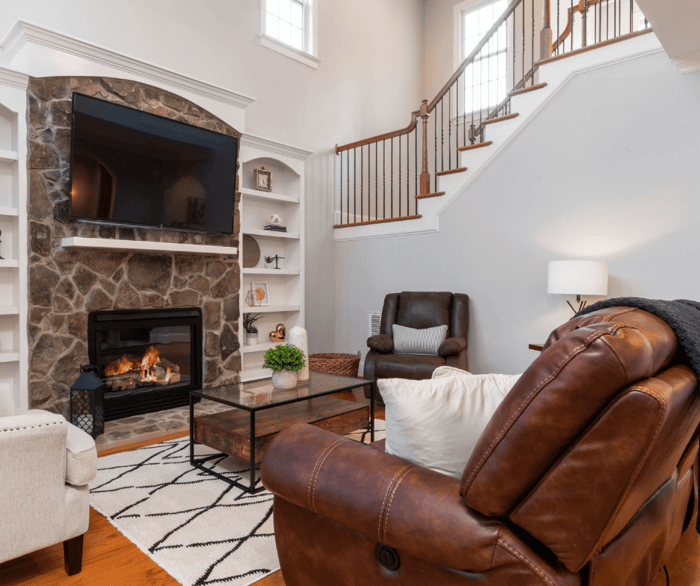
The Case for Hardwood Flooring
Hardwood is the timeless classic of the flooring world. It’s an investment in a floor that is both beautiful and long-lasting.
Pros of Hardwood
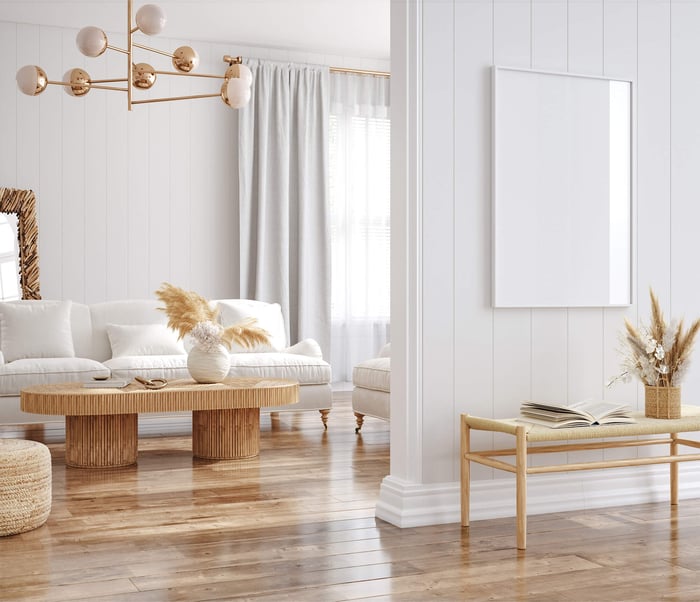
- Timeless Beauty: The natural grain and character of real wood are unmatched. It adds a sense of warmth, elegance, and authenticity to any space.
- Longevity: A well-maintained hardwood floor can last for a century or more. The ability to be sanded and refinished multiple times means it can be restored to its original beauty, making it a great long-term investment.
- Adds Home Value: Hardwood floors are a major selling point and are known to increase the resale value of a home.
- Durability: While it can be scratched or dented, hardwood is a very hard and stable material that holds up well to heavy furniture and foot traffic.
Cons of Hardwood
- Can Be Hard: Hardwood is a very hard surface, which can be tough on the feet and joints.
- Vulnerable to Scratches: It can be susceptible to scratches, dents, and moisture damage.
- Can Be Noisy: It can be a loud floor, especially in rooms with little furniture.
The Case for Cork Flooring
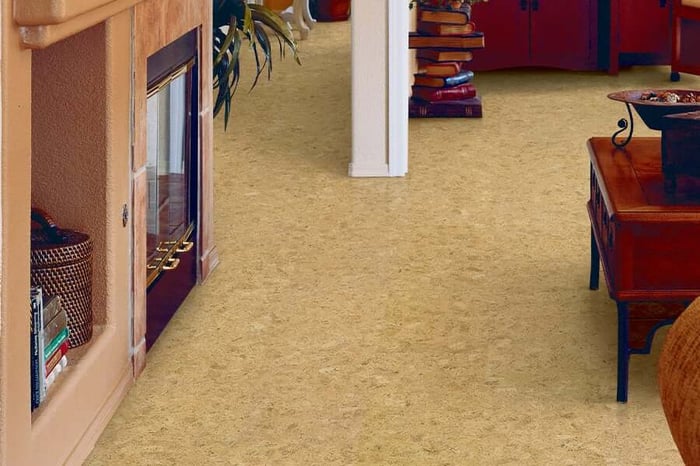
Cork is a flooring material with a unique set of benefits, making it an excellent choice for those seeking a soft, sustainable, and quiet floor.
Pros of Cork
- Comfort and Softness: This is the most significant benefit of cork. It is soft underfoot and provides a cushioned surface that is great for standing and walking.
- Sustainable and Renewable: Cork is harvested from the bark of the cork oak tree without harming the tree itself. It is a highly sustainable and environmentally friendly material.
- Natural Insulation: The cellular structure of cork makes it a natural thermal and acoustic insulator. It will help to keep your home warmer in the winter and quieter all year round.
- Resistant to Mold and Mildew: Cork contains suberin, a waxy substance that naturally repels insects and is resistant to mold and mildew.
Cons of Cork
- Vulnerable to Dents: Cork is much softer than hardwood and can be easily dented by heavy furniture or dropped objects.
- Can Fade: Cork can fade over time with prolonged exposure to sunlight.
- Requires Sealing: To protect it from spills and moisture, a cork floor needs to be sealed every few years.
The Verdict: Hardwood Flooring vs Cork
The decision between hardwood flooring vs cork depends on what you value most in a floor.
- Choose hardwood if you prioritize longevity, a high return on investment, and a classic, durable floor that can be restored over and over again.
- Choose cork if you prioritize a soft, comfortable, and quiet floor that is also sustainable and naturally insulated. It's a great choice for kitchens, playrooms, and bedrooms.
Choose the Best Flooring for Your Home at JP Flooring in Cincinnati, OH
Both hardwood flooring vs cork are fantastic natural choices for your home. By understanding their unique characteristics, you can make the right decision to create a floor that not only looks beautiful but also fits your lifestyle perfectly.
Contact or Visit JP Flooring. We have a showroom location in West Chester, OH. We’ve serviced the Greater Cincinnati, OH area and Northern Kentucky area for 20+ year